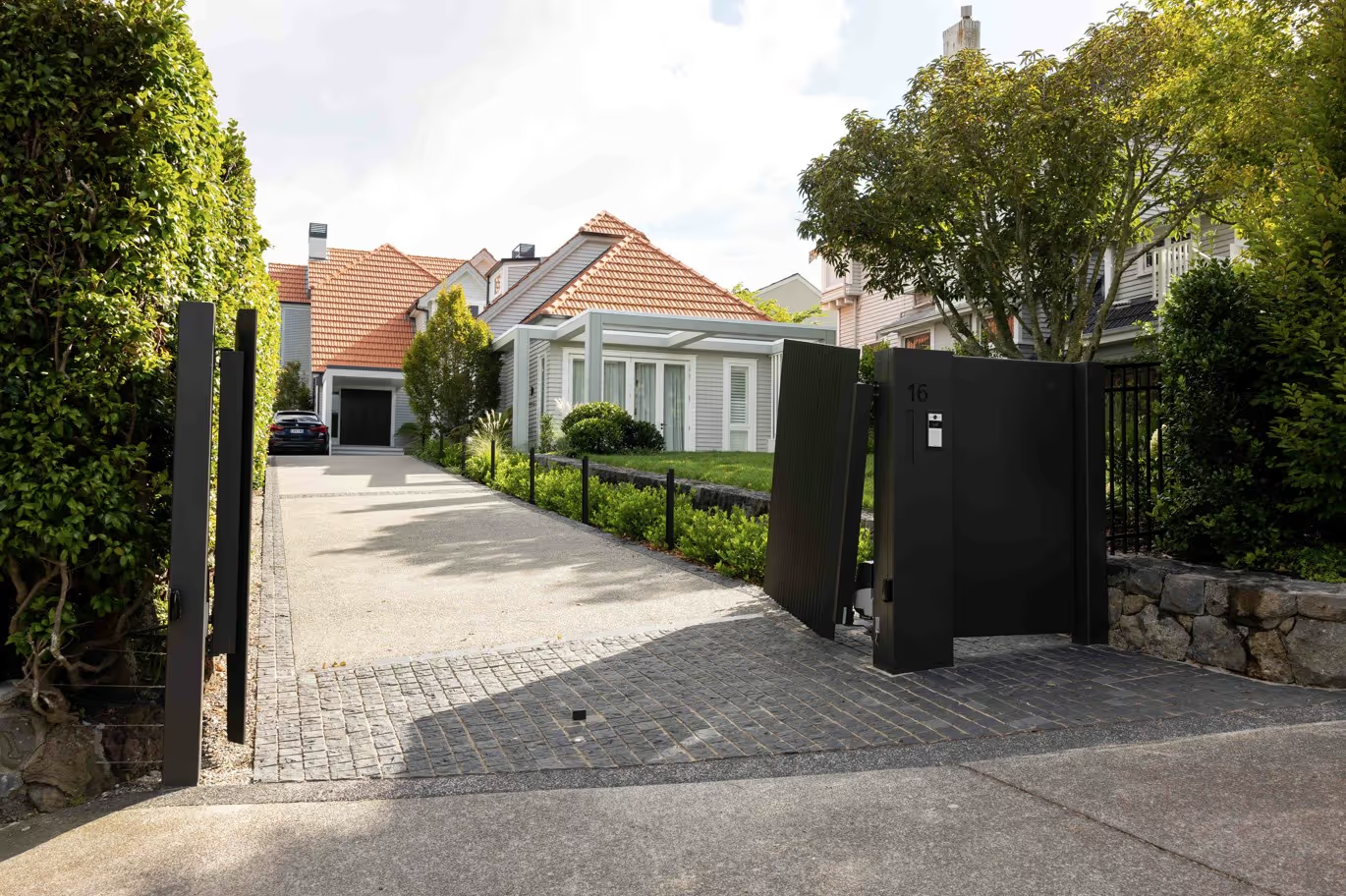
Coastal-Grade Materials and Maintenance for Long-Lasting Gates in NZ
At Langford Gates, we see it regularly when we’re called out to give a quote to replace an old gate. What looked great in year one soon starts to show signs of wear if it wasn’t specifically designed with coastal conditions in mind.
So, for homeowners researching driveway gates for coastal homes, make sure to take a moment to learn about the best materials and finishes; it’ll be the most important factor in how it performs over time.
%20(1).jpg)
Coastal Conditions vs Gate Lifespan
When it comes to coastal properties, there are some things that are worth the extra investment. Outdoor metalwork is one of them. Those cheap and cheerful driveway gates from DIY stores or warehouses will soon need replacing once they’ve been exposed to moist air and salt spray.
Corrosion aside, even the wind can cause havoc with a poorly-chosen gate, as it puts extra strain on hinges, posts and automation systems. Pick the wrong design and they can even act as a sail, catching the wind and causing no end of headaches after a good storm.
And of course, on top of all that, New Zealand’s UV levels are high enough to break down paint, powder coating and sealants.
None of this means gates can’t work on the coast, it just means the materials that are used matter much more than they do in more protected areas.
Maintenance Tips for Coastal Gates
Help prevent small issues from turning into larger problems by keeping on top of gate maintenance.
- Rinse off salt residue with an occasional freshwater wash.
- Keep an eye on moving parts, check hinges, rollers and tracks.
- Check coatings and finishes for small chips or scratches in paint or powder coating.
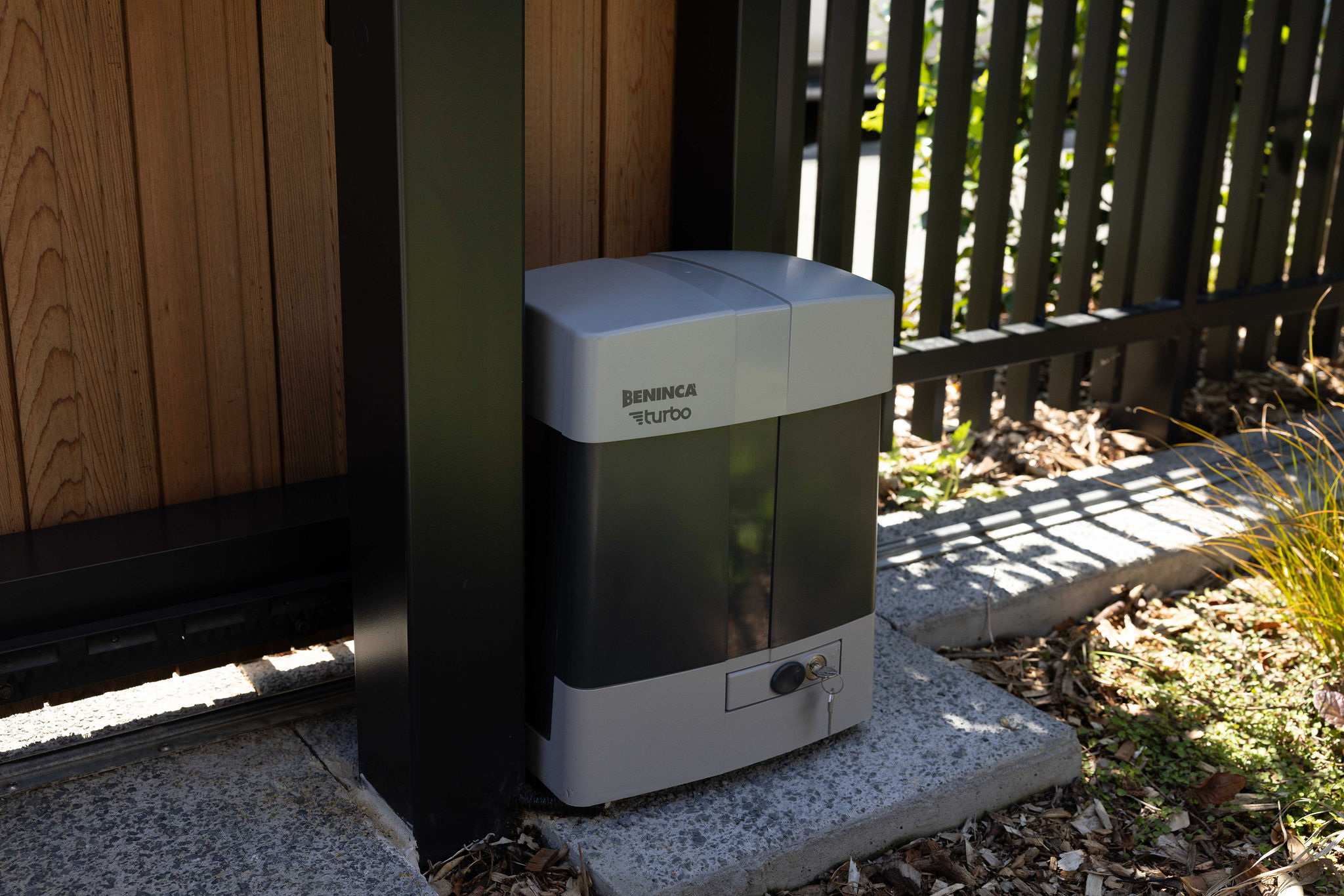
- Routine servicing benefits motors, sensors and control systems.
%20(2).jpg)
The Best Coastal Gate Materials
As you can imagine, the types of materials used in your gate will make a big difference in how well it performs.
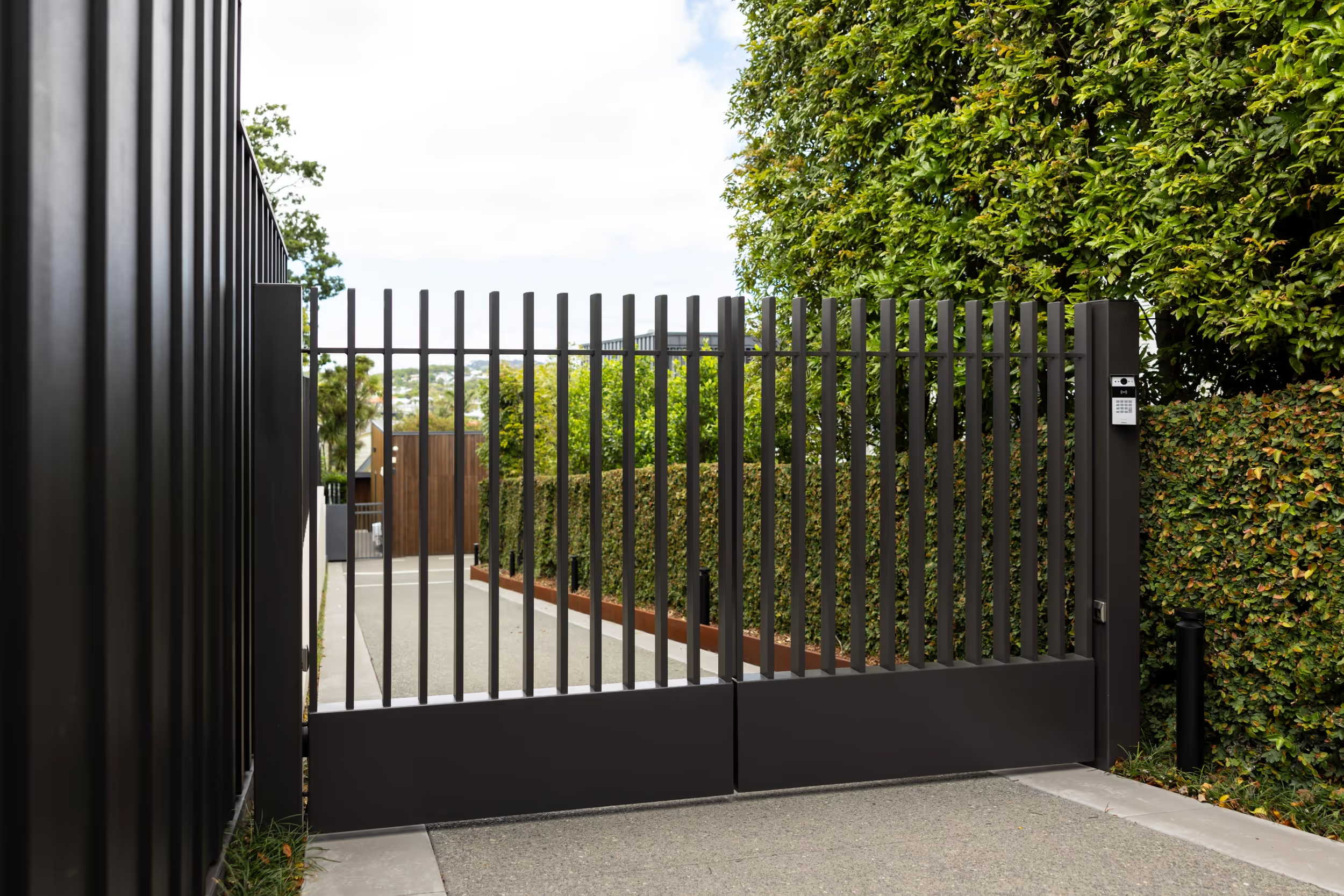
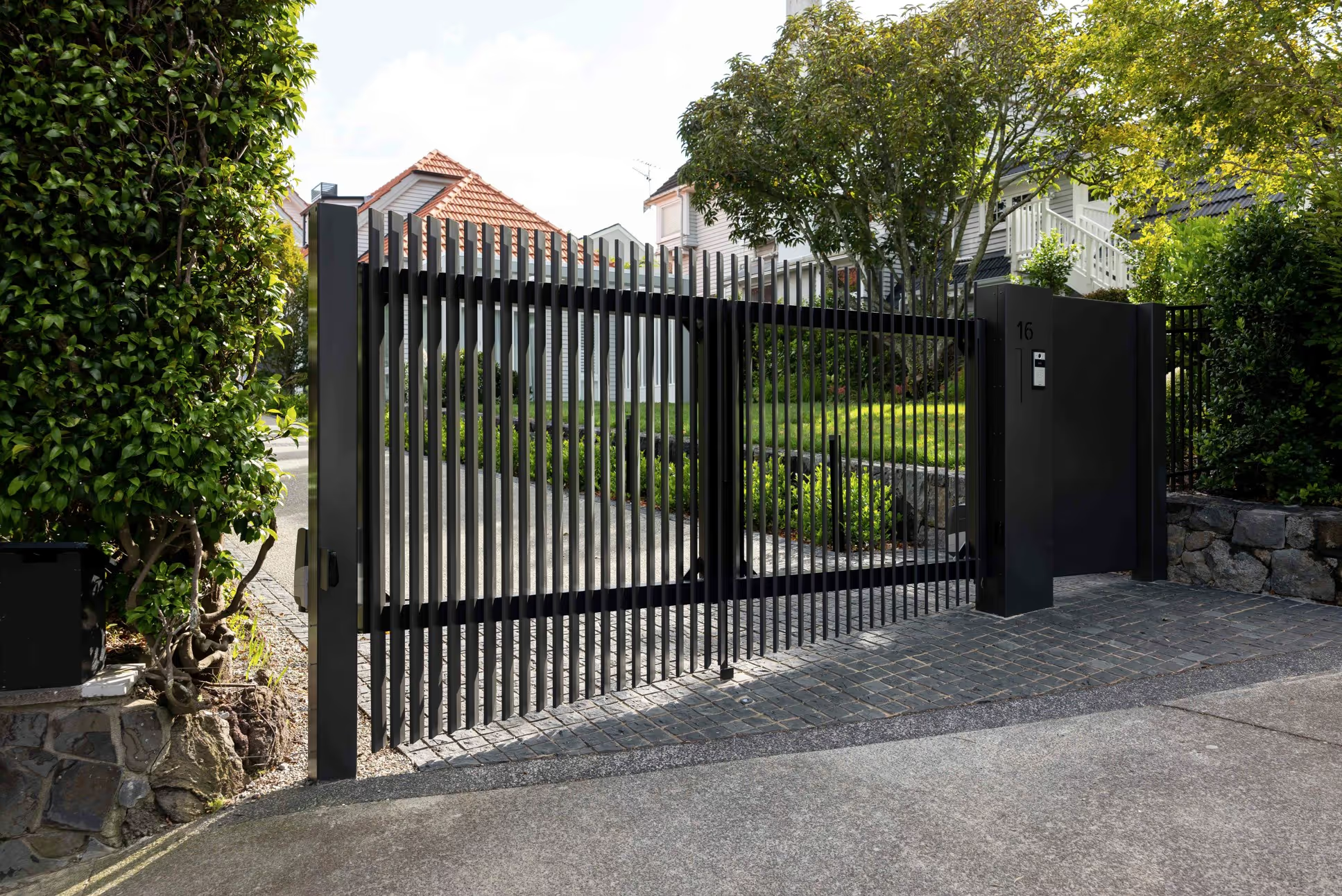
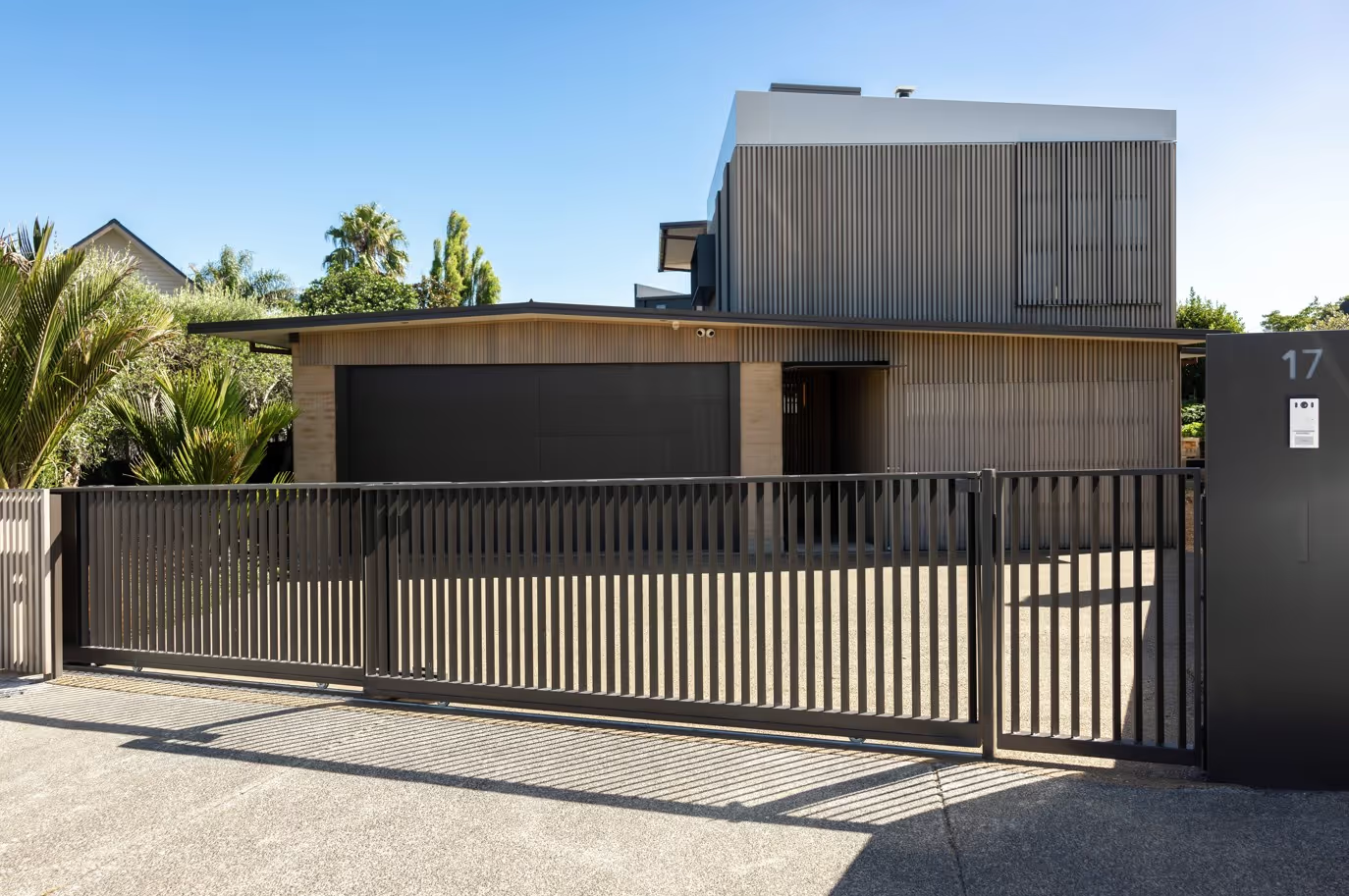
Aluminium is one of the most common choices for coastal gates because it resists corrosion and is lightweight, keeping the weight manageable for automation systems.
Galvanised or stainless steel can be a good option where strength is needed. Steel gates are heavy-duty, but will need protective coatings to help prevent corrosion.
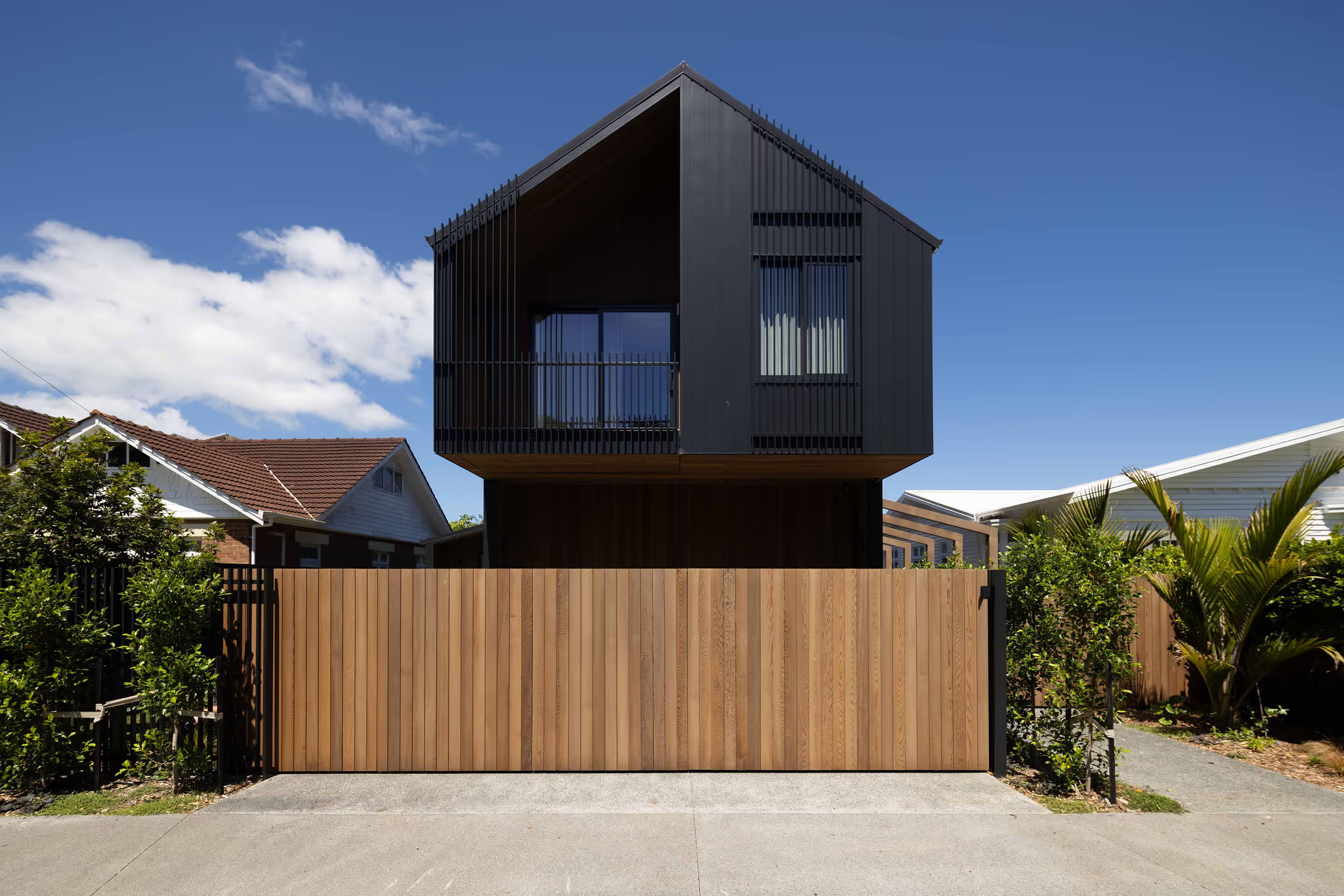
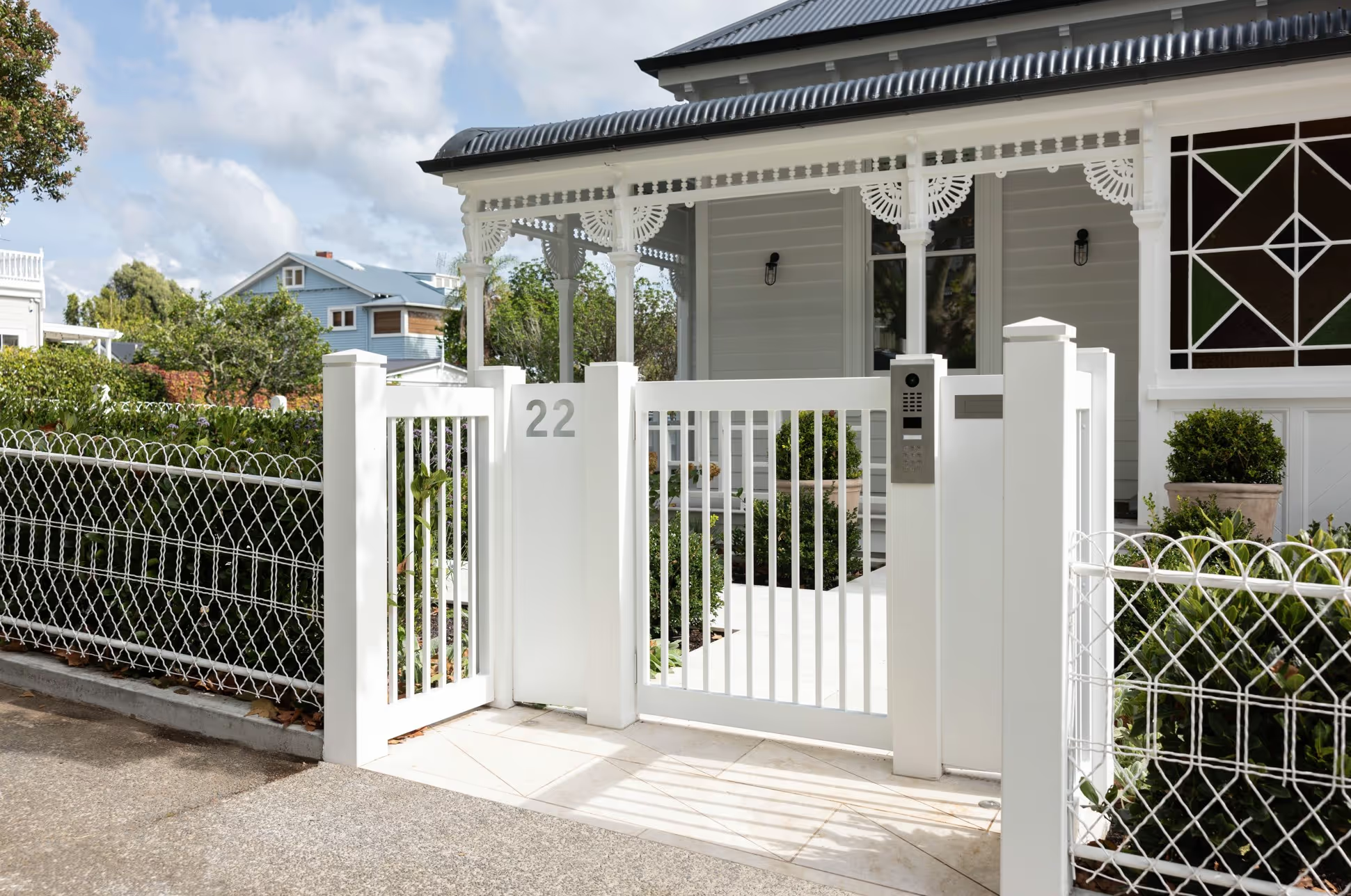
Timber gates are a popular choice for architectural homes, with a warm, traditional look that metal struggles to replicate.
And for a hybrid approach, you can even pair metal frames with timber or composite panels to get a blend of strength and style.
Looking for inspiration? Explore some of our past projects.
%20(2).jpg)
Protective Finishes That Help Gates Last
Even corrosion-resistant materials benefit from the right surface protection. For aluminium and steel gates, a powder coating can be applied to add a protective layer. For steel components, galvanisation with a zinc coating helps shield the metal underneath. For timber gates, sealants help guard against UV and moisture, while in more exposed locations, marine-grade finishes give an extra layer of protection.
Designing Gates for Exposed Coastal Sites
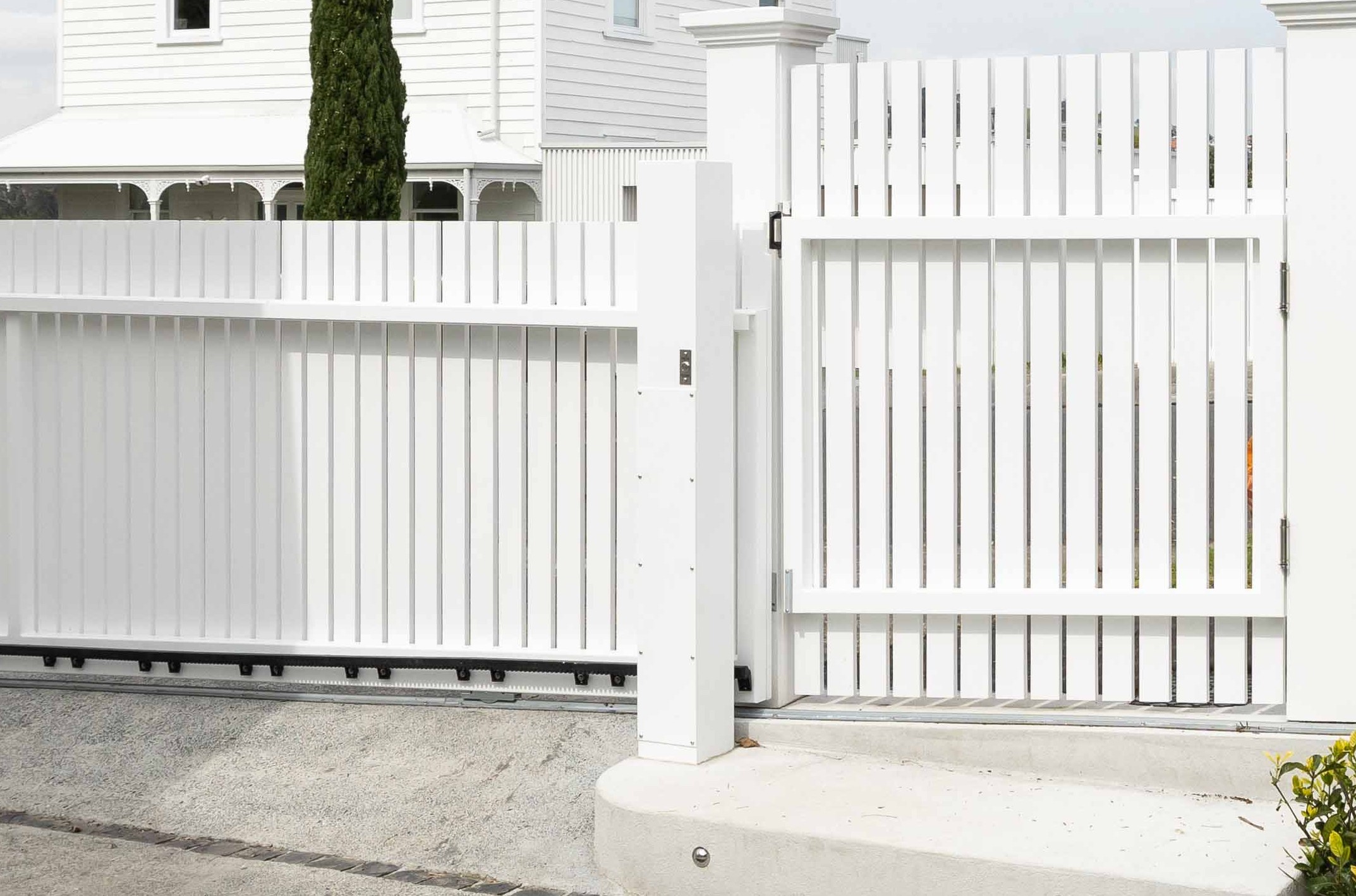
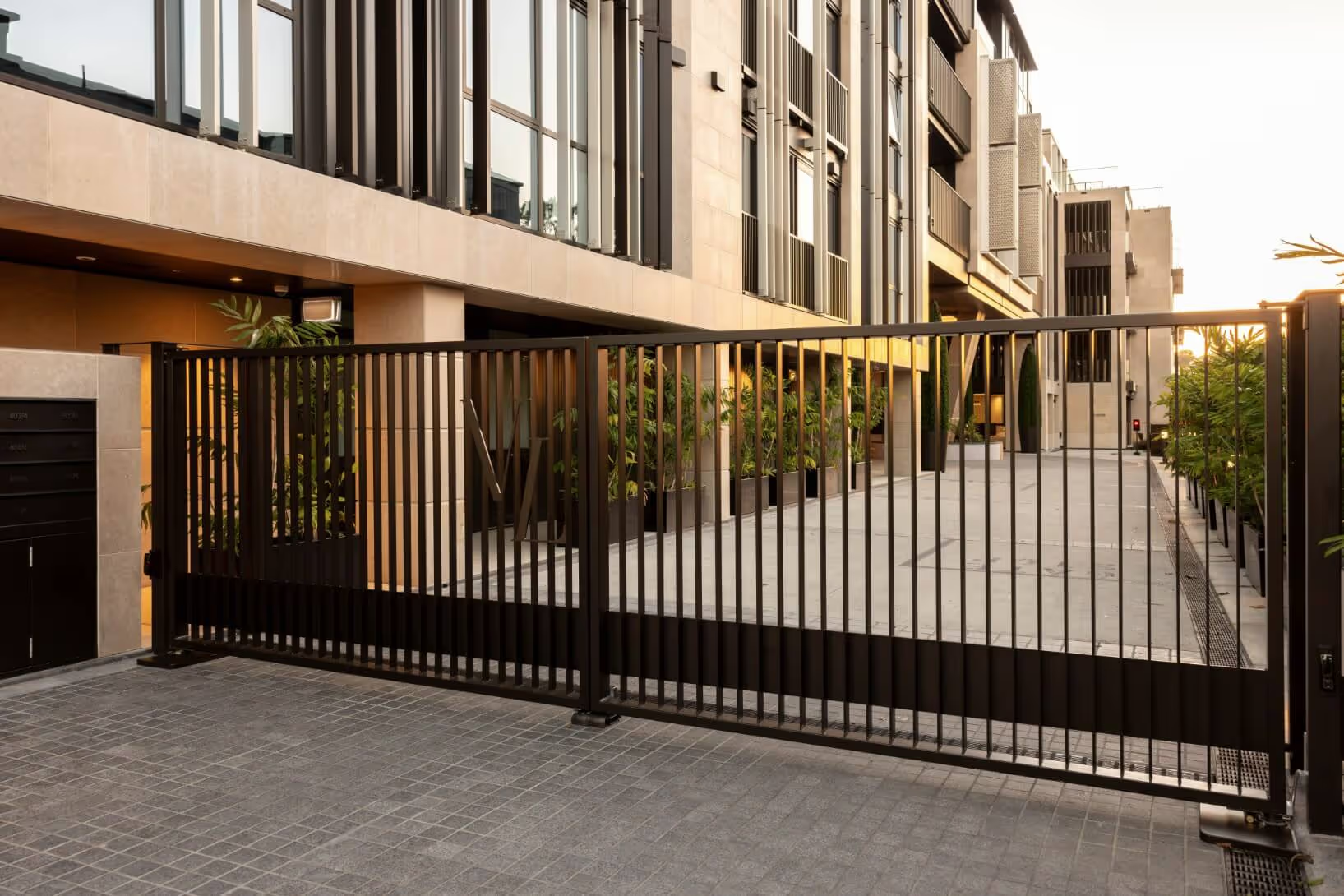
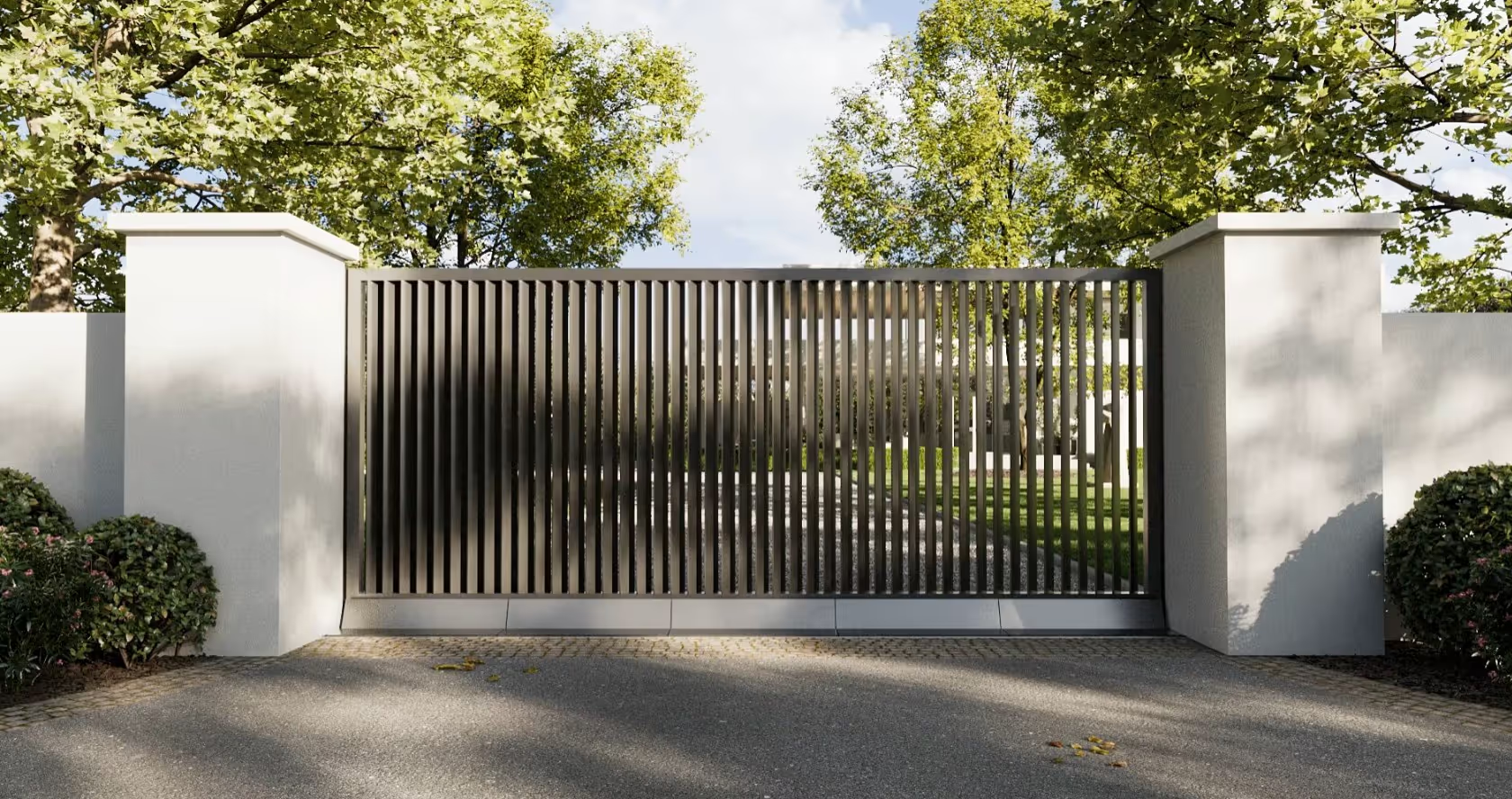
Coastal properties require a little more thought during the design stage. Large or exposed gates will benefit from stronger frames and heavy-duty hinges. In windy areas, sliding gates can be a wiser choice than swing gates, as they’re better supported. It’s not rocket science, but you’d be amazed at how often gate companies let a client pick a gate for how it looks, without providing them with any advice about how it will perform on their section.
If you're planning a gate for a coastal property, the team at Langford Gates can help. Get in touch with our team for a quote, and we’ll help you design something that suits both the site and the architecture of your home.