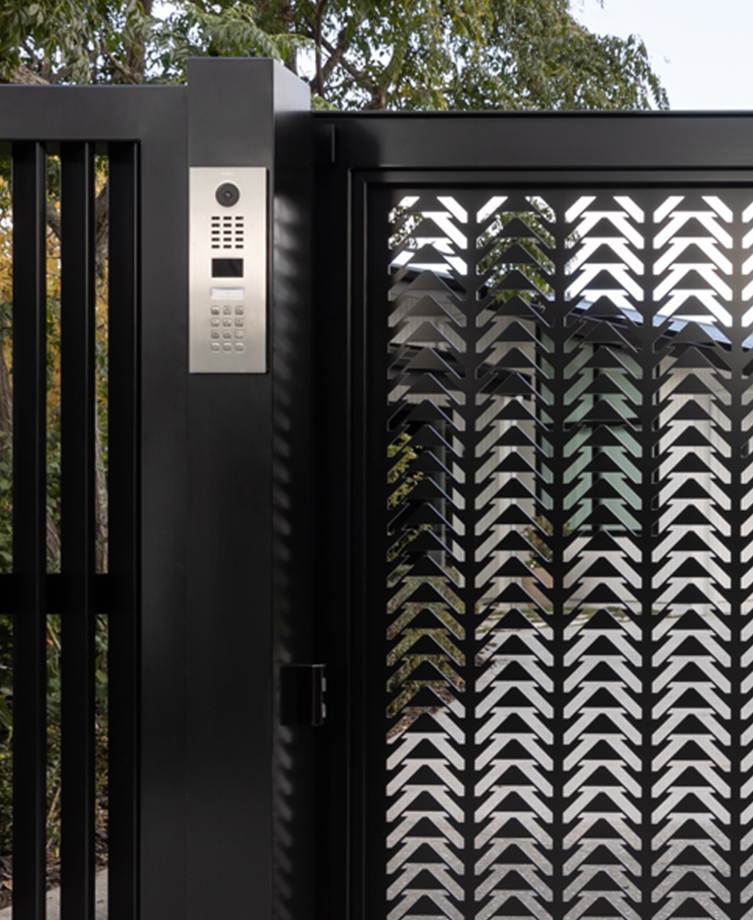
Automation and Smart Home Integration for Residential Gates
It wasn’t all that long ago that electric gates became the must-have upgrade in residential security. Press a button, drive in, job done. These days, the average electric gate is only one piece of a much more impressive setup that ties into our need for convenience, control and safety.
Why More Homes Are Choosing Automated Gates
At Langford Gates, we’re seeing more and more homeowners plan gates early in the design process, especially if they’re already thinking of lighting, security or full smart home systems.
Convenience is usually the first factor - no more getting out of the car in the rain, no juggling keys or remotes. But control is another great benefit. Automated driveway gates let you manage deliveries and visitors more easily, with access controlled digitally. You can even set scheduling or geomapping so your gate opens and closes to suit you!
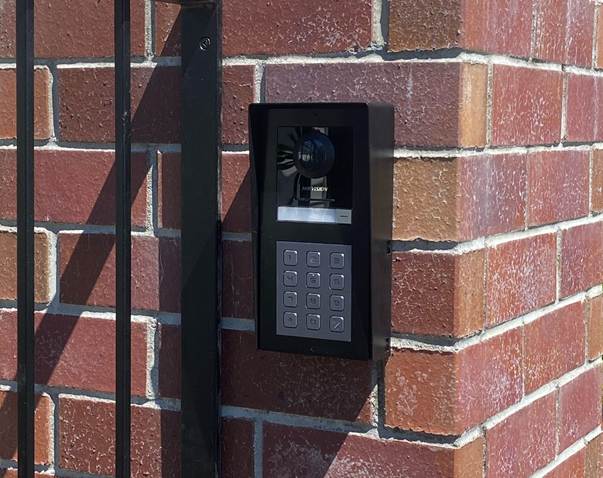
Automation Technologies and Systems
There’s a fair bit going on behind the scenes in any smart gate system, but most share the same core components.
Gate Options
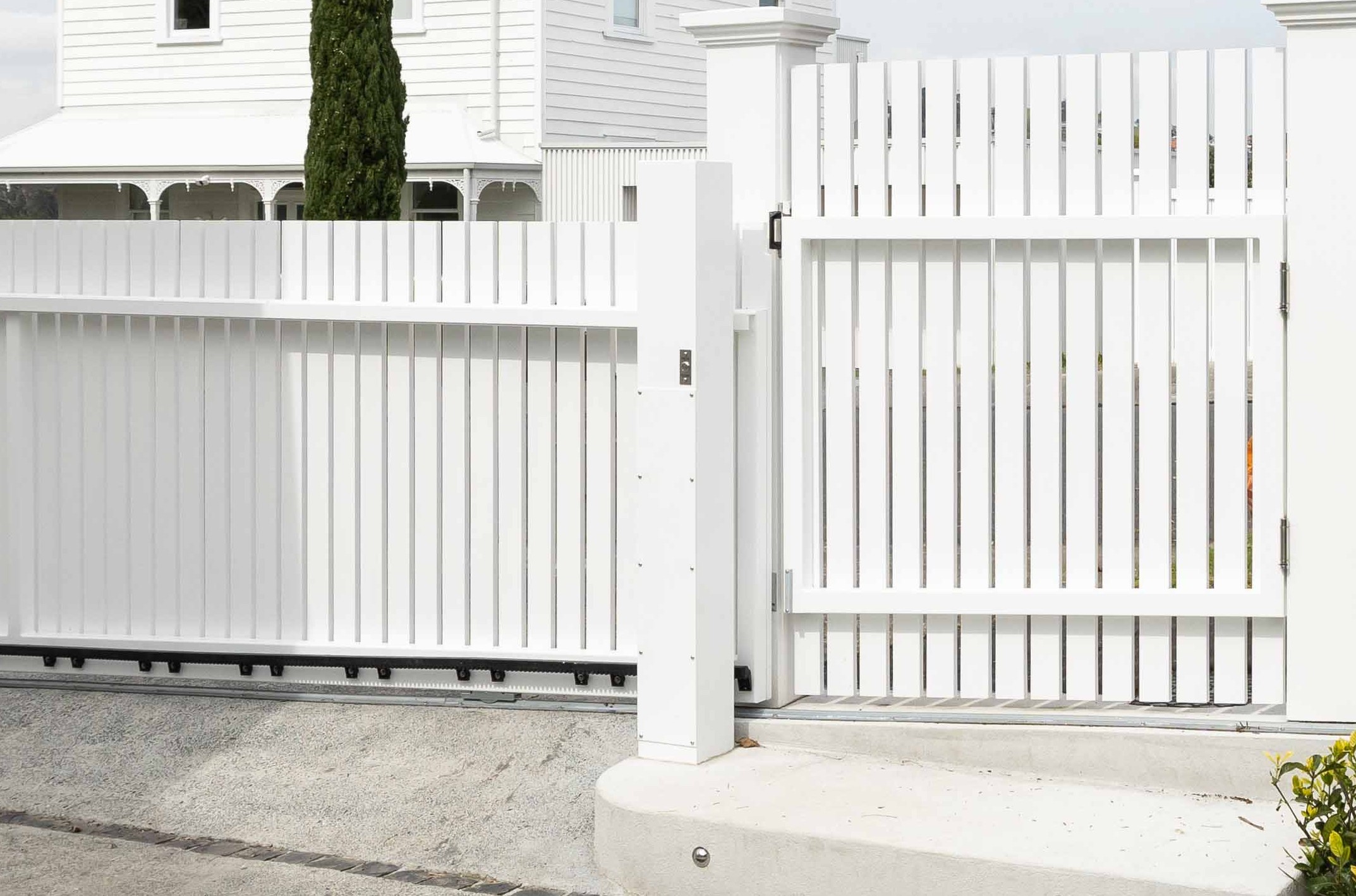
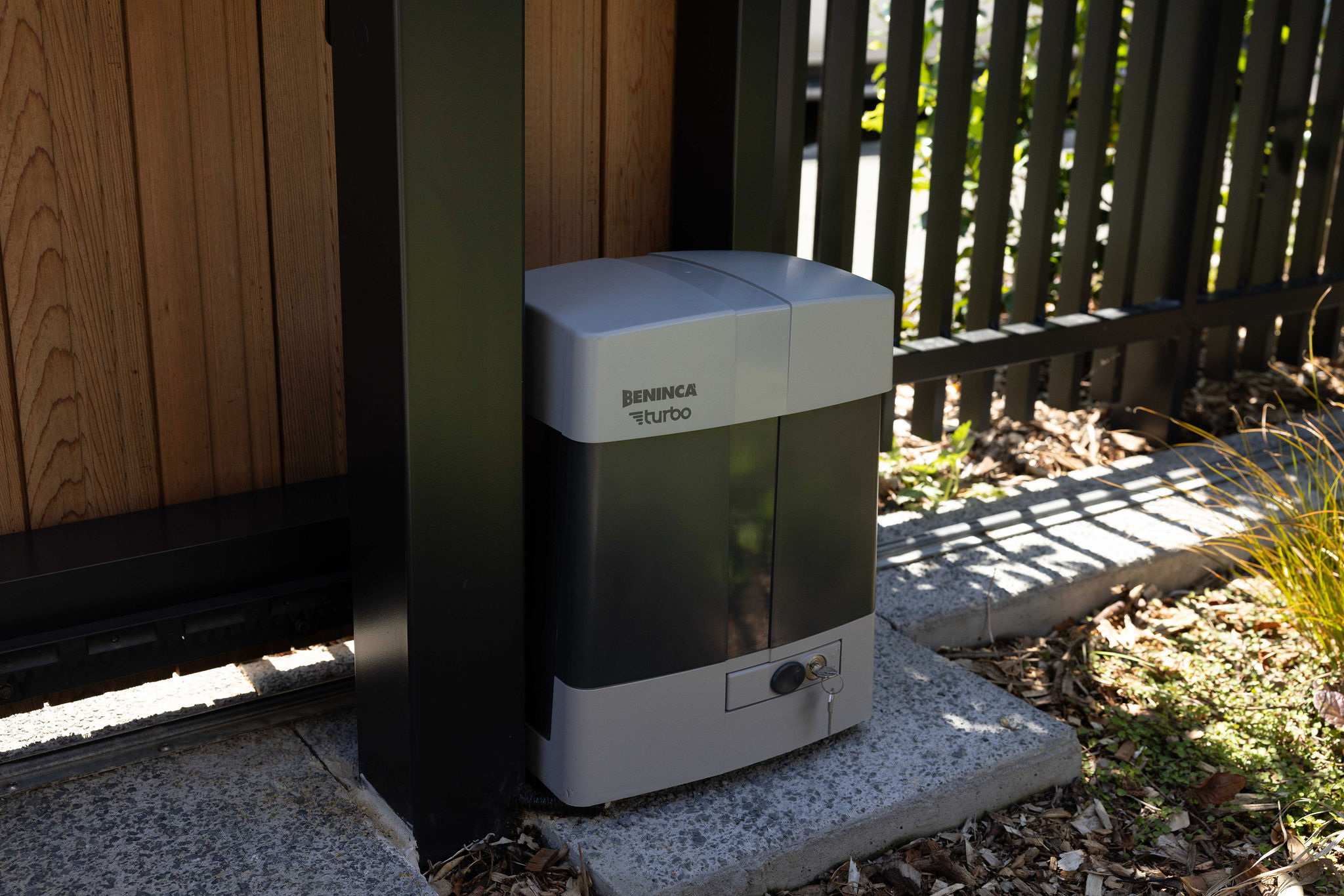
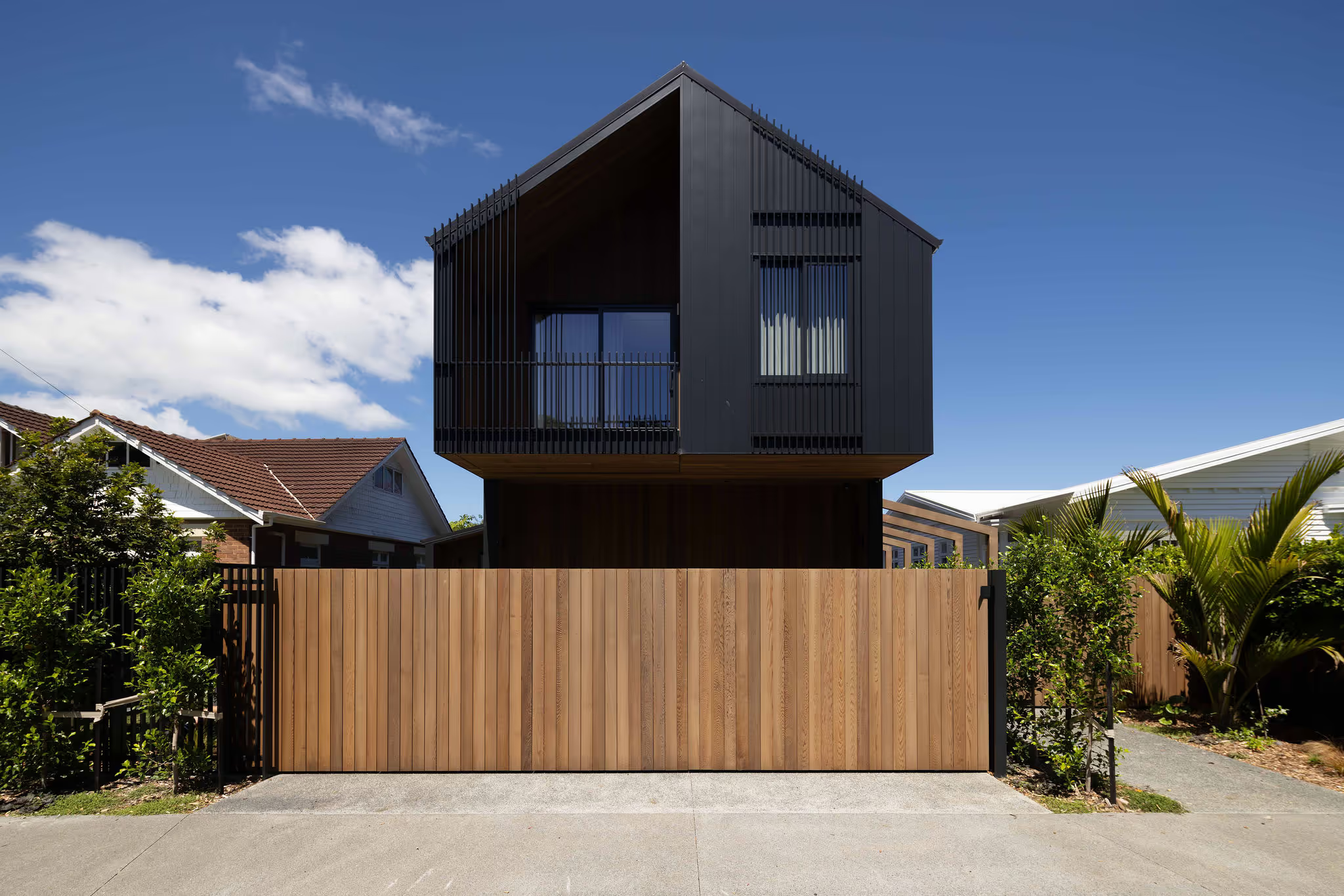
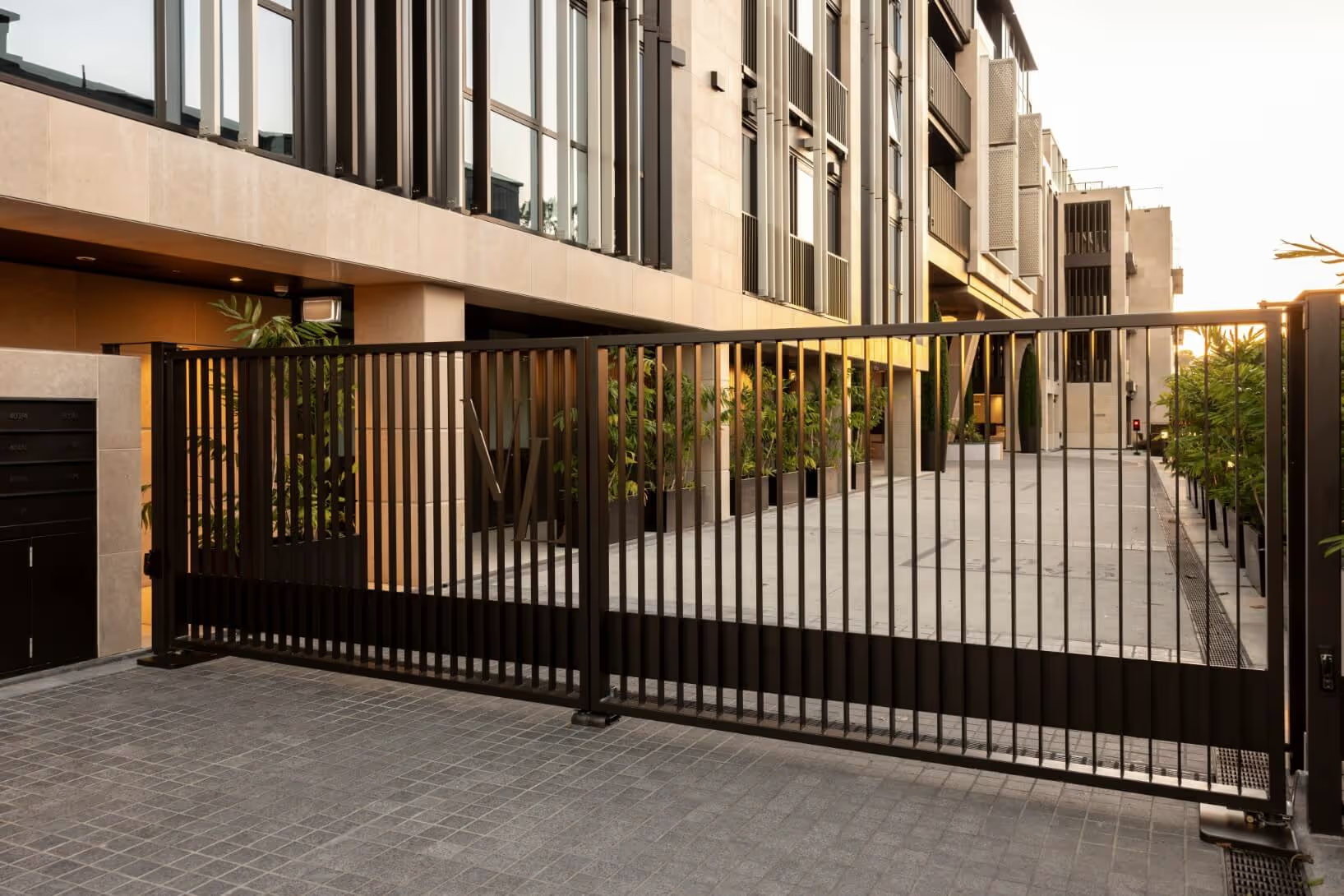
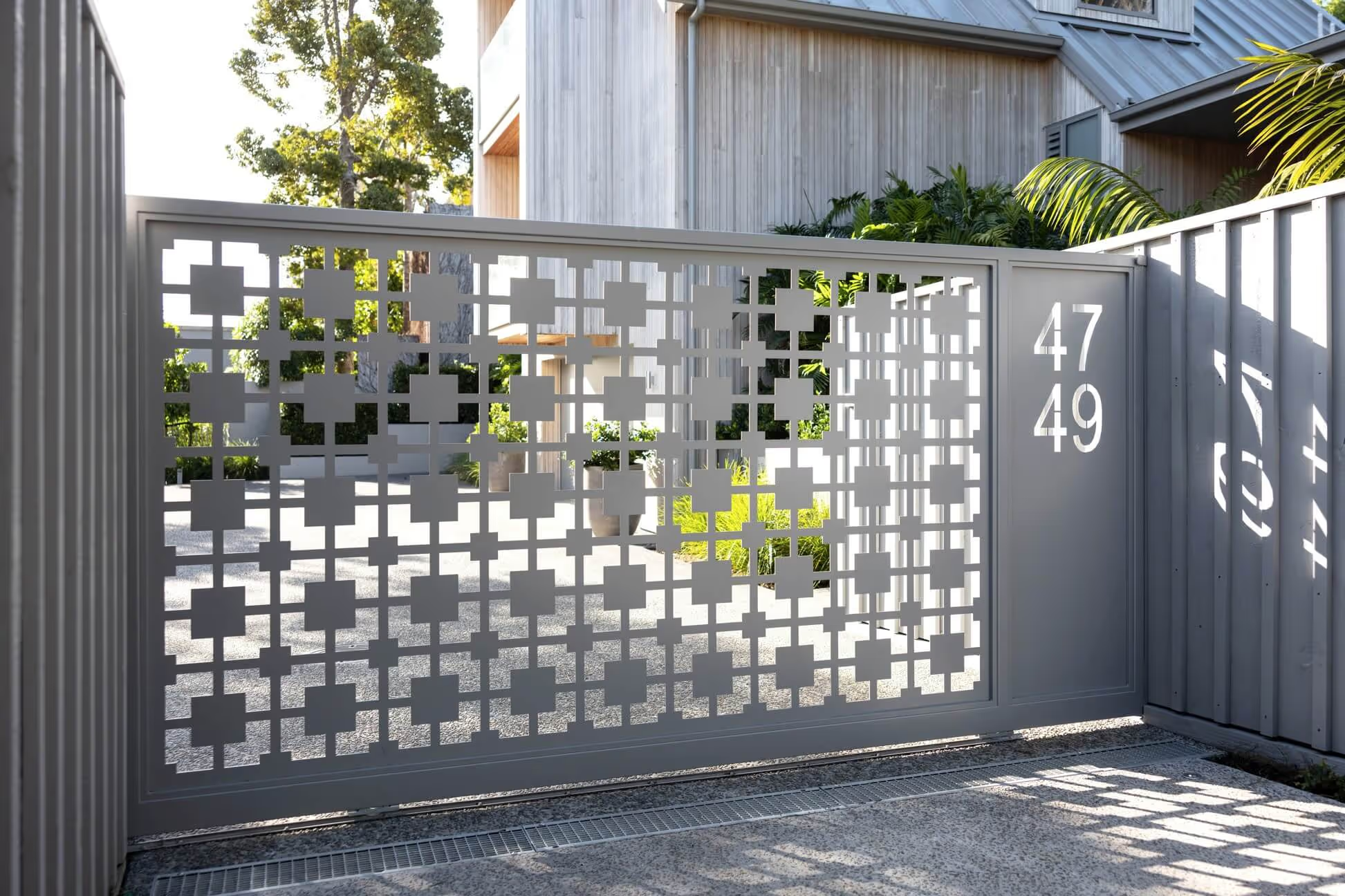
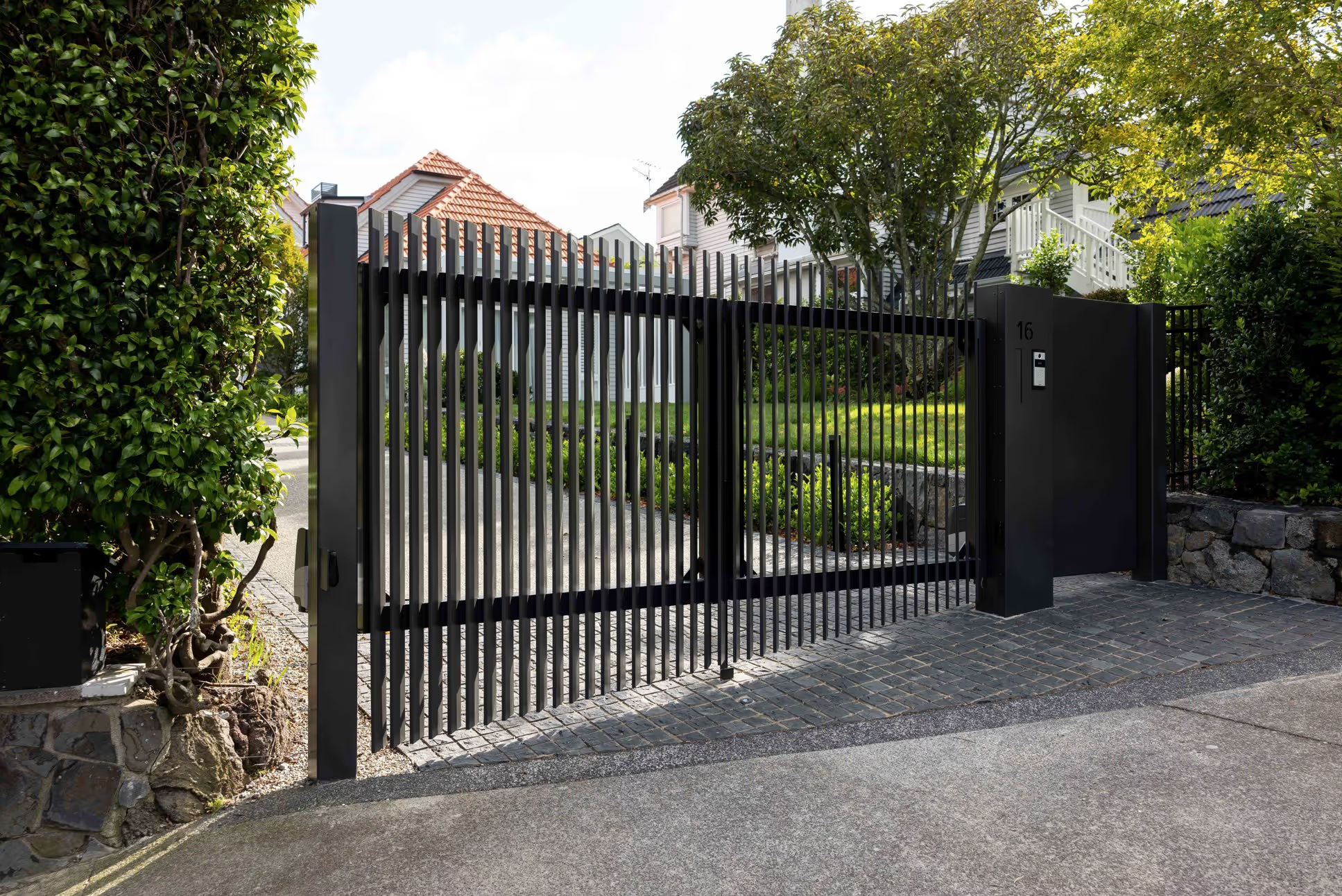
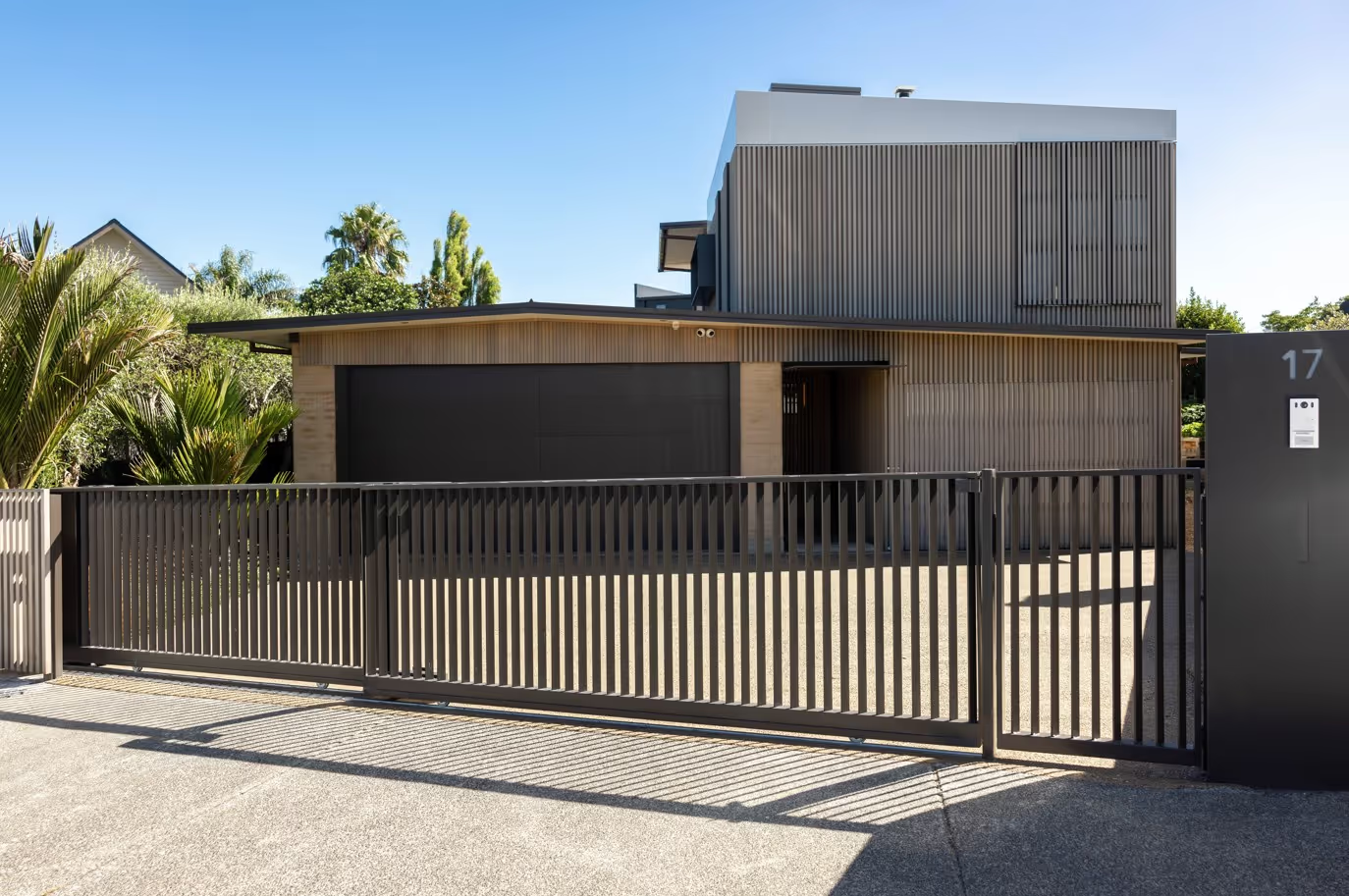
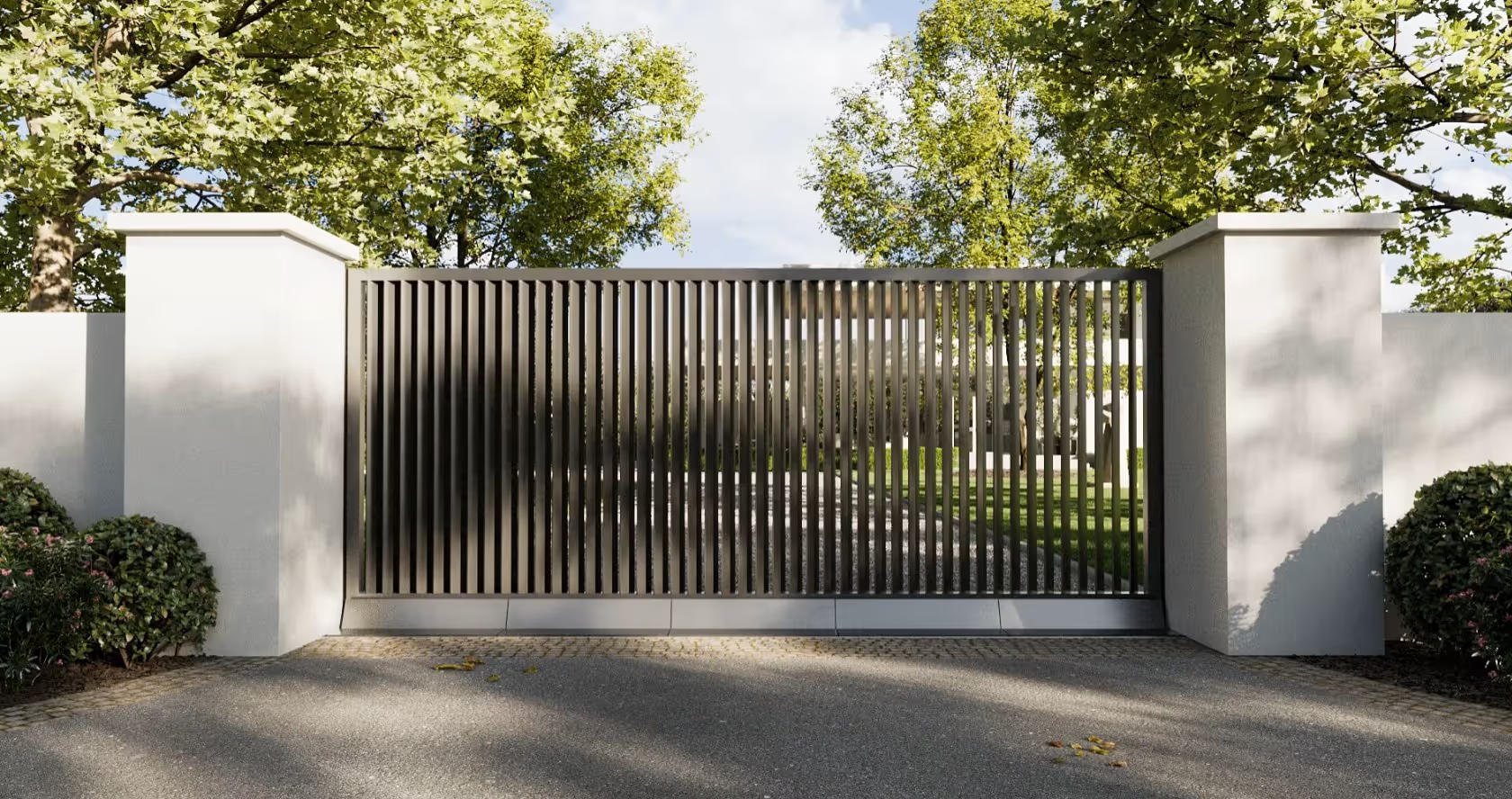
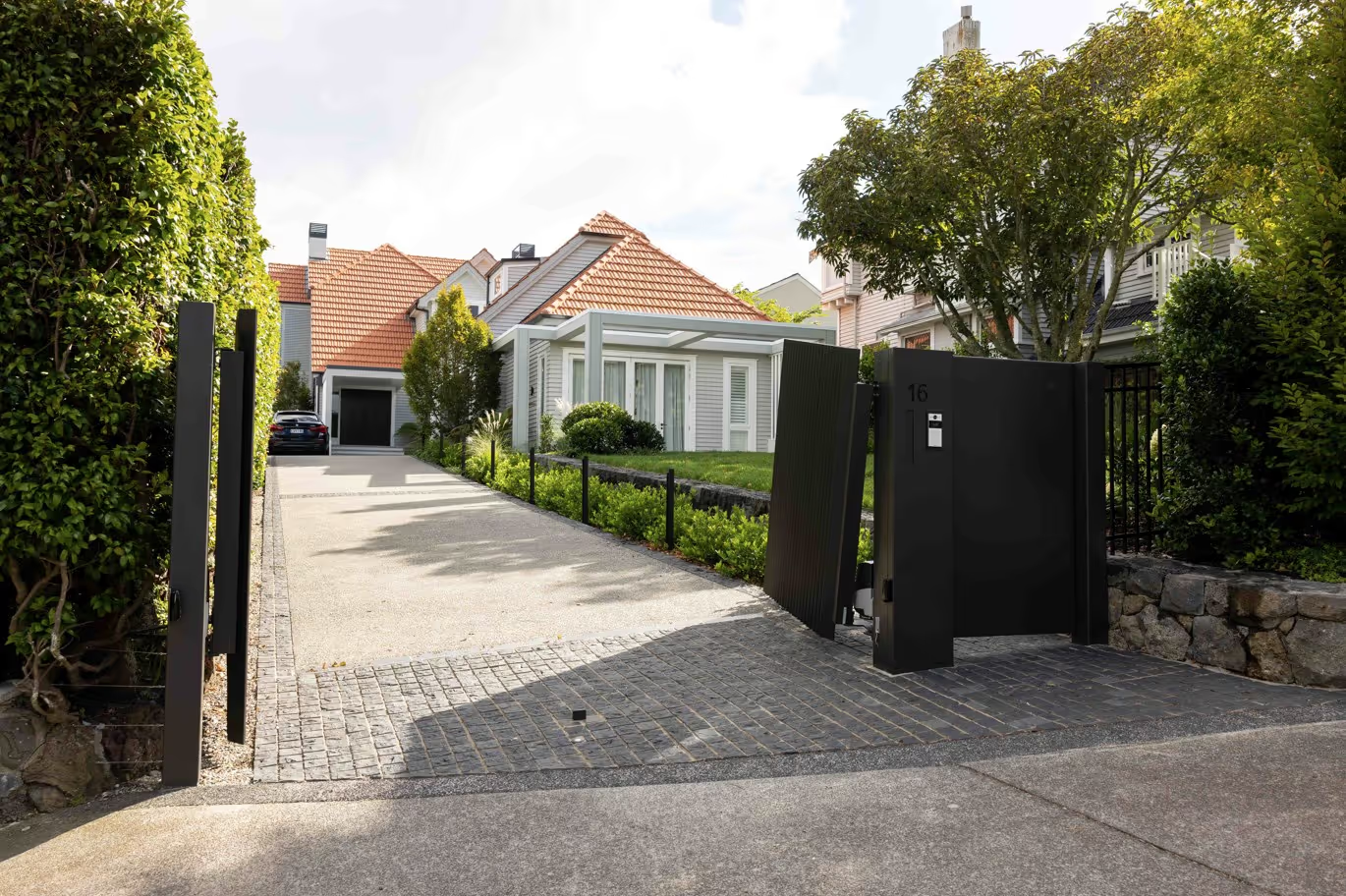
Depending on your site, you might choose a swing gate with an arm or underground motor, a sliding gate which runs on a track or cantilever system, or even a telescopic or pivot design for those sites where space is tight.
Explore our past projects for inspiration.
Access Controls
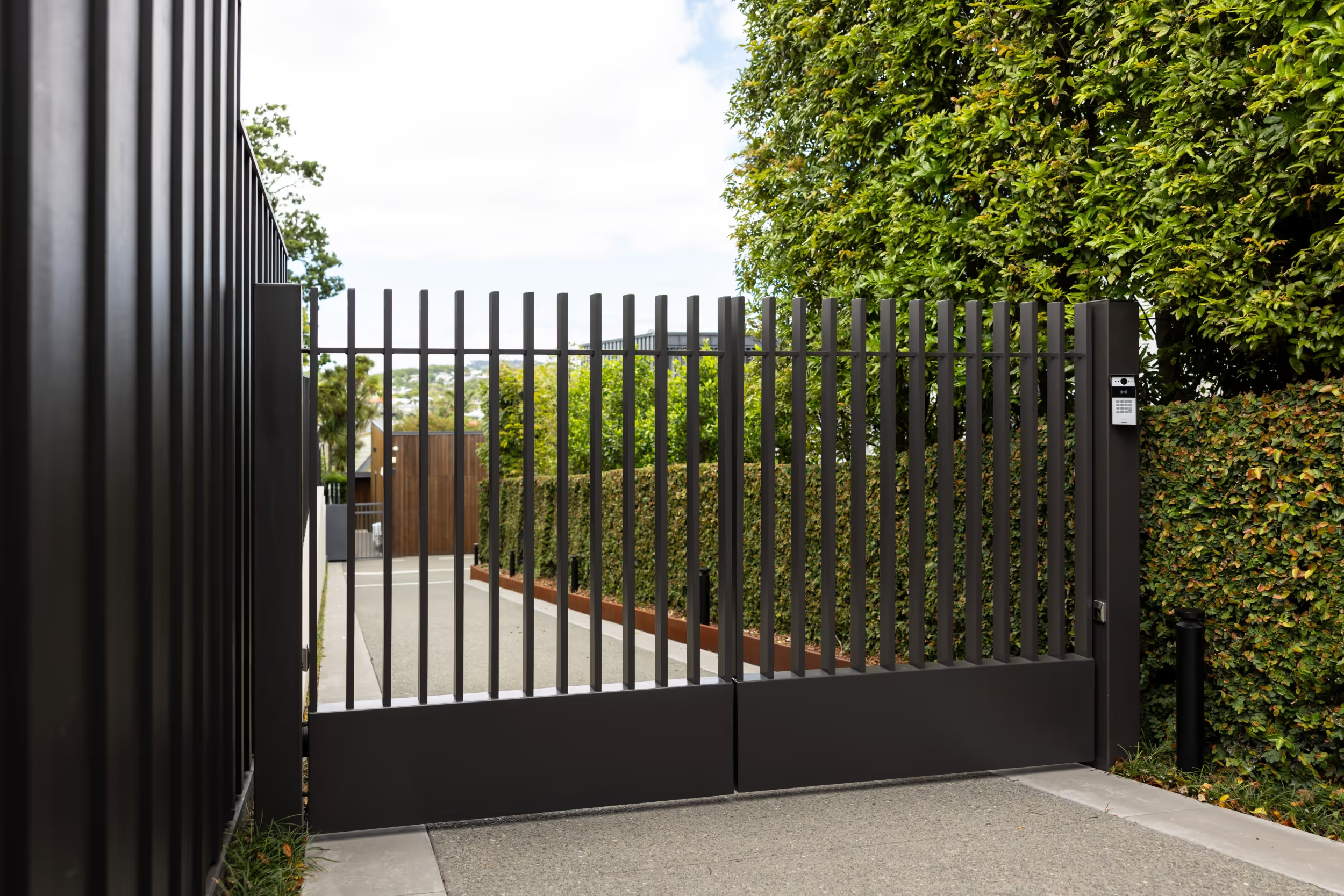
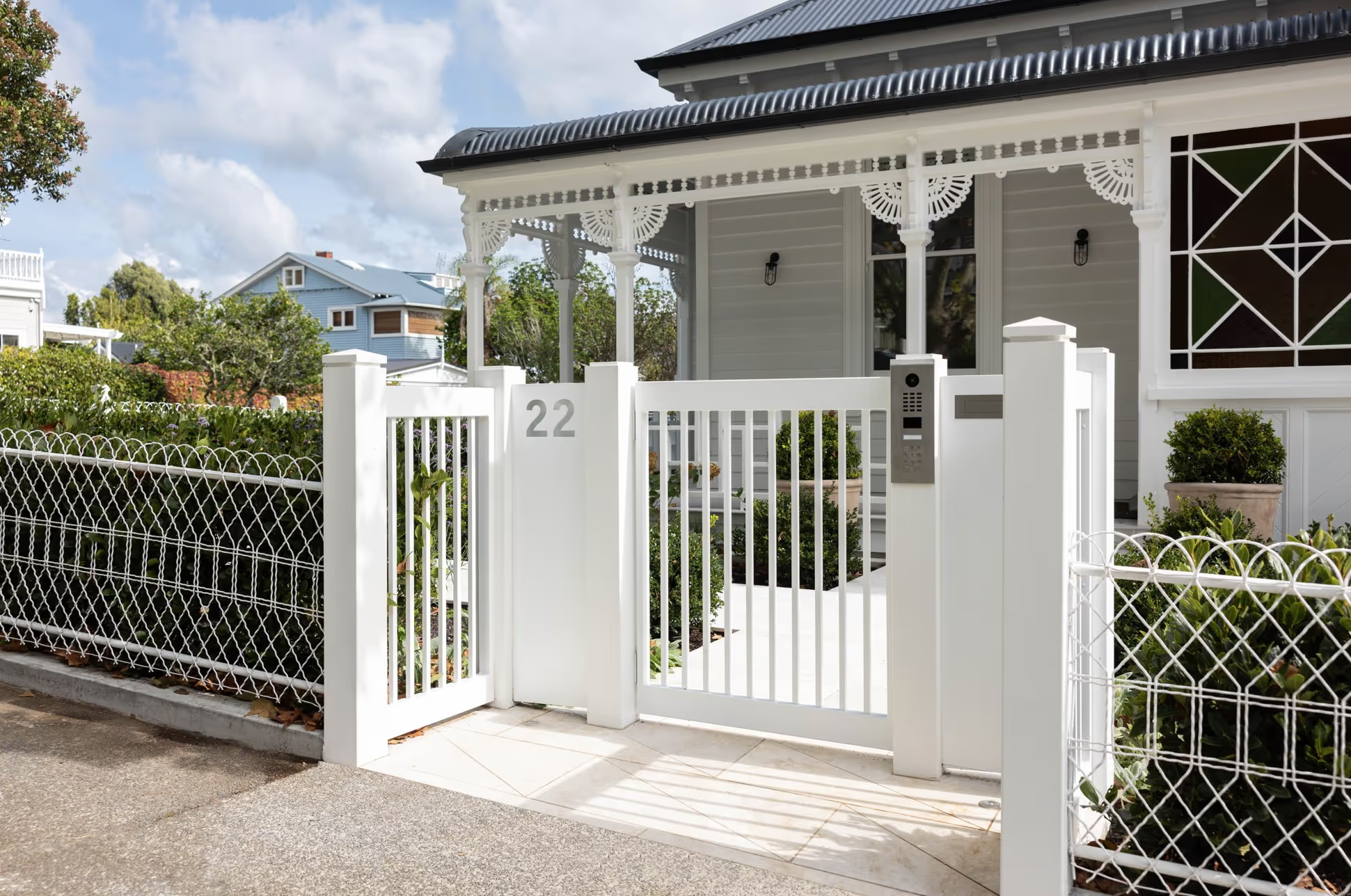
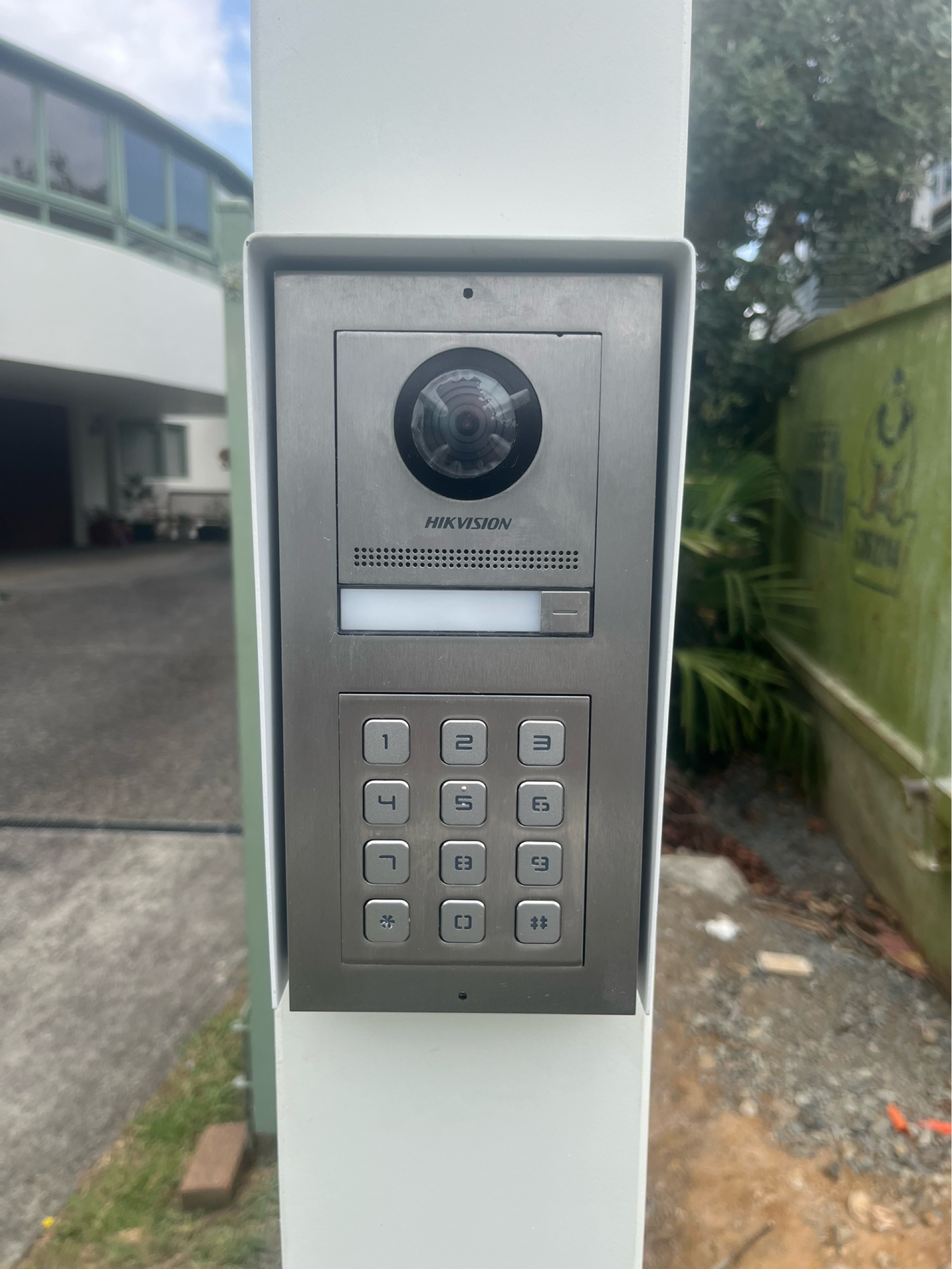
This is where things get fun. Do you want to keep it traditional with a classic keypad or remote control entry, or upgrade to smartphone controls for remote operation? For visitor control, an intercom system works great, giving you a secondary check point for clearance.
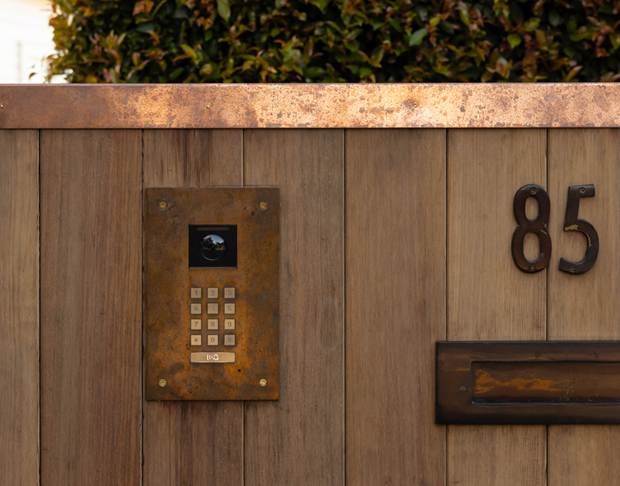
Smart Home Gates
Many modern residential gate automation setups can be linked to platforms like Google Home, Apple HomeKit, or Amazon Alexa, so that you can control the gates by voice, alongside your lighting, alarms or cameras. Being able to open the gate or check access while you’re away gives you ultimate peace of mind.
Safety and Compliance
Of course, with any automated system, safety needs to be considered from the start. And while older motorised gates could lead to injury, modern gates use a combination of sensors and controls to avoid accidents.
Photocells are able to detect movement in the gate’s path, vehicle loops can hold a gate open while a car is passing through, and force limits stop the gate if it meets any resistance.
There are also compliance requirements in New Zealand around how automated gates should be installed and operated, so these in-built manual overrides and fail-safe measures are all part of the wider picture, protecting children or visitors who may be using the space.
Installation and Design Considerations
No two sites are quite the same, which is why smart gate automation works best when it’s planned alongside the site and the gate you’ve chosen.
Steep driveways, narrow entrances or exposed locations will all have some influence on the type of system you’ll want to use. Power supply is another consideration, especially for larger gates or properties where the cabling has to be run over a long distance.
It’s also worth thinking ahead to what you might benefit from in the future roo. Systems can be set up in a way that allows for future upgrades, whether that’s adding new access methods or linking into a broader smart home setup later on.
Keeping Things Running
Like any mechanical system, automated gates benefit from a bit of TLC. Standard maintenance involves:
- Servicing motors and automation systems periodically
- Checking hinges, tracks and moving components for wear
- Testing sensors and safety features to make sure they’re responding
- Keeping software or connected systems up to date
Keeping on top of your maintenance reduces the chance of disrepair or mechanical issues down the line.
Book a Consultation with Langford Gates
Automated gates have come a long way over the years. When they’re planned with the specifics of your site in mind, chosen for the features you want now and in the future, and maintained well over time, they become an integral part of a comfortable, convenient home.
If you're planning a new gate or upgrading an existing one, let the team at Langford Gates help design and install an automated gate solution for you. We can also assist with servicing and maintaining your current automation system to ensure everything continues to run safely and reliably over time. Speak with Langford Gates or request a quote to get started.
%20(2).jpg)